A LIVING TEXTILE TRADITION

Pashmina
Education

From the Himalayan mountains to the hands of Kashmir.

Discover the fibre, the people, the techniques and the traditions behind Pashmina — one thoughtful lesson at a time.

Begin your learning journey →
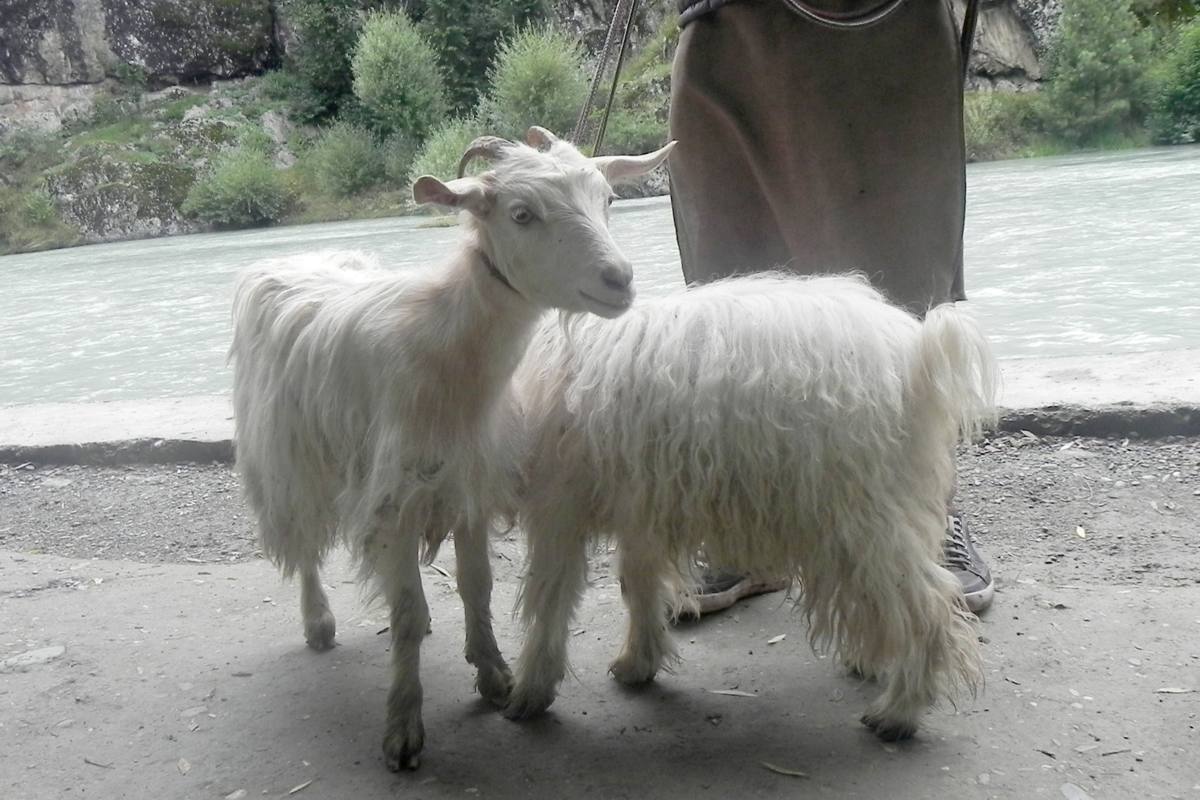
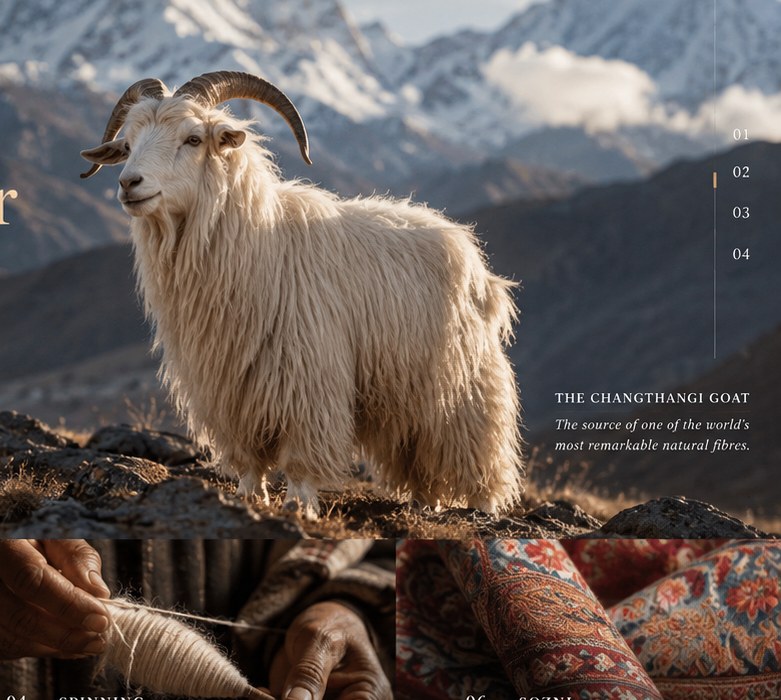
Pashmina goats in their Himalayan landscape
THE BEGINNING · THE HIMALAYAN GOAT

THE FIRST THING TO LOOK FOR

DON'T BUY THE
CLAIM. BUY THE EVIDENCE.

The word Pashmina alone is not enough. When a textile is described as Pashmina, ask what evidence supports that description. Beautiful workmanship matters — but so does documentation.

02
LABORATORY · FIBRE EVIDENCE

Ask for a laboratory test when fibre composition matters.

A laboratory report can provide evidence about the material in the sample tested. Ask to see the report and check that the sample, product and reported result are clearly connected.

See the evidence guide →
03
PRODUCT · PROVENANCE

Connect the evidence to the actual piece.

The strongest product story brings together the textile, its fibre description, production method and supporting records. Documentation should describe what is known — not fill gaps with assumptions.

See a piece record →
GI and laboratory testing are not the same thing. GI evidence and laboratory evidence answer different questions. Together with product provenance, they can give a buyer a clearer and more responsible basis for understanding a textile.

Beautiful workmanship deserves GI/certification, verified authenticity, and documentation.

The Pashmina market contains misleading descriptions and unsupported claims. As a buyer, you should not have to rely on a seller's words alone.

01

WHY THIS EDUCATION EXISTS

Before You Buy Pashmina,
Understand It.

Pashmina is often described simply as a soft and luxurious shawl. But behind that shawl is a much longer story.

A Himalayan animal. A precious natural fibre. Generations of knowledge. Spinners. Weavers. Embroiderers. Artisans.

This journey takes you from the origin of the fibre to the finished textile — while keeping one important distinction clear: fibre identity, production method and traditional craft are related, but they are not the same thing.

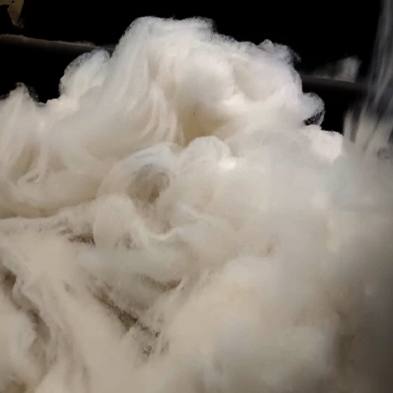
Close-up of real Pashmina fibre
Real Pashmina fibre — the material before it becomes yarn.

THE JOURNEY OF PASHMINA

From Fibre to Craft

Explore twelve lessons that follow the material, the techniques and the people behind the textile.

FROM OUR ARCHIVE

The Material.
The Hands. The Loom.

Real photographs connected to the Civara Workshop story — preserved here as part of our growing visual archive.

CIVARA WORKSHOP ARCHIVE

Photographs from the journey of our work in Kashmir.

These images are kept as documentary material rather than decorative stock photography. We will continue adding original photographs of fibre, spinning, weaving, artisans, looms, finished textiles and the places connected to our work.

ARCHIVE
00 — 07
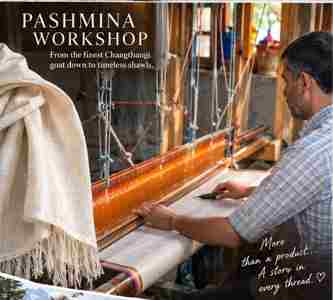
Kashmiri weaver working at a loom in the Civara Workshop archive
00 · The loom — a real photograph from the Civara Workshop archive.
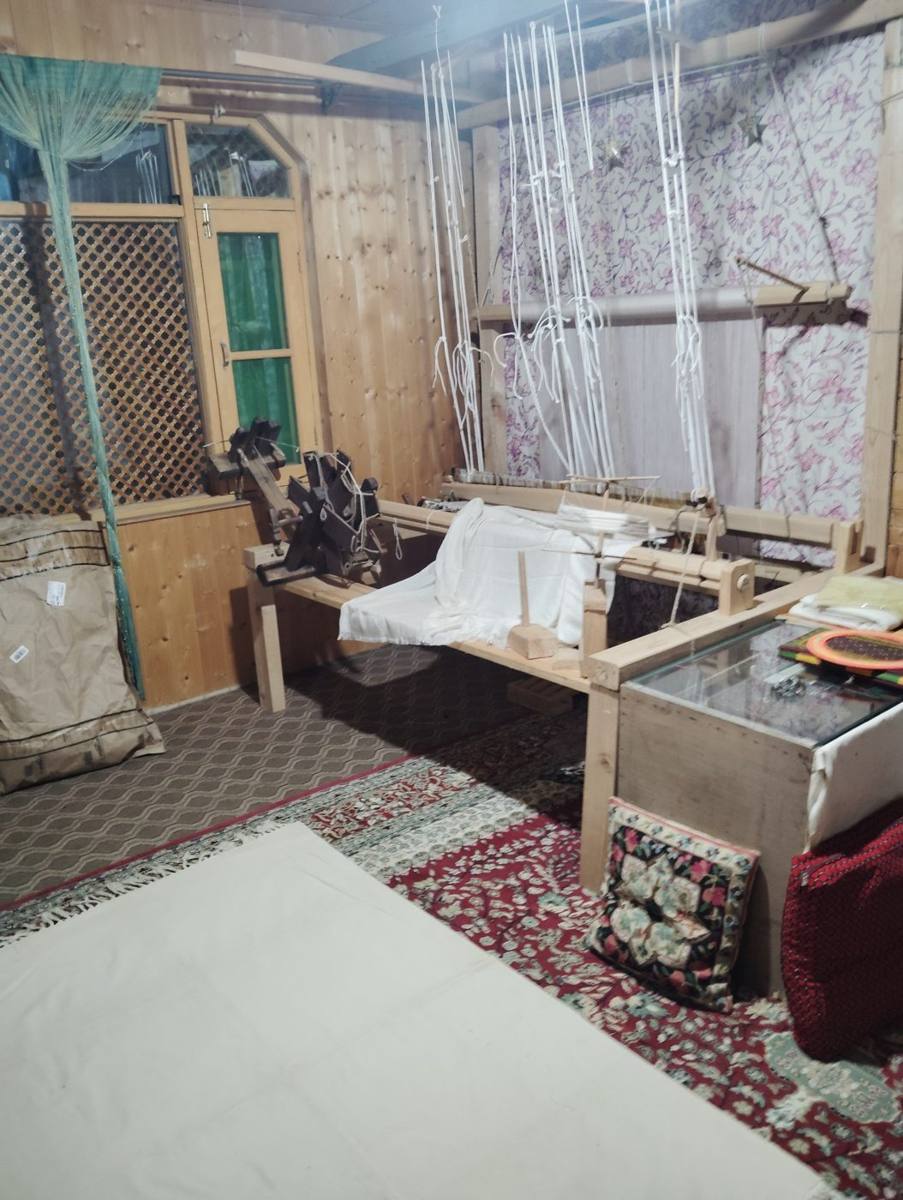
Civara Workshop interior in Kashmir
01 · The workshop — where the material becomes craft.
Real Pashmina fibre
02 · The fibre — the beginning of the journey.
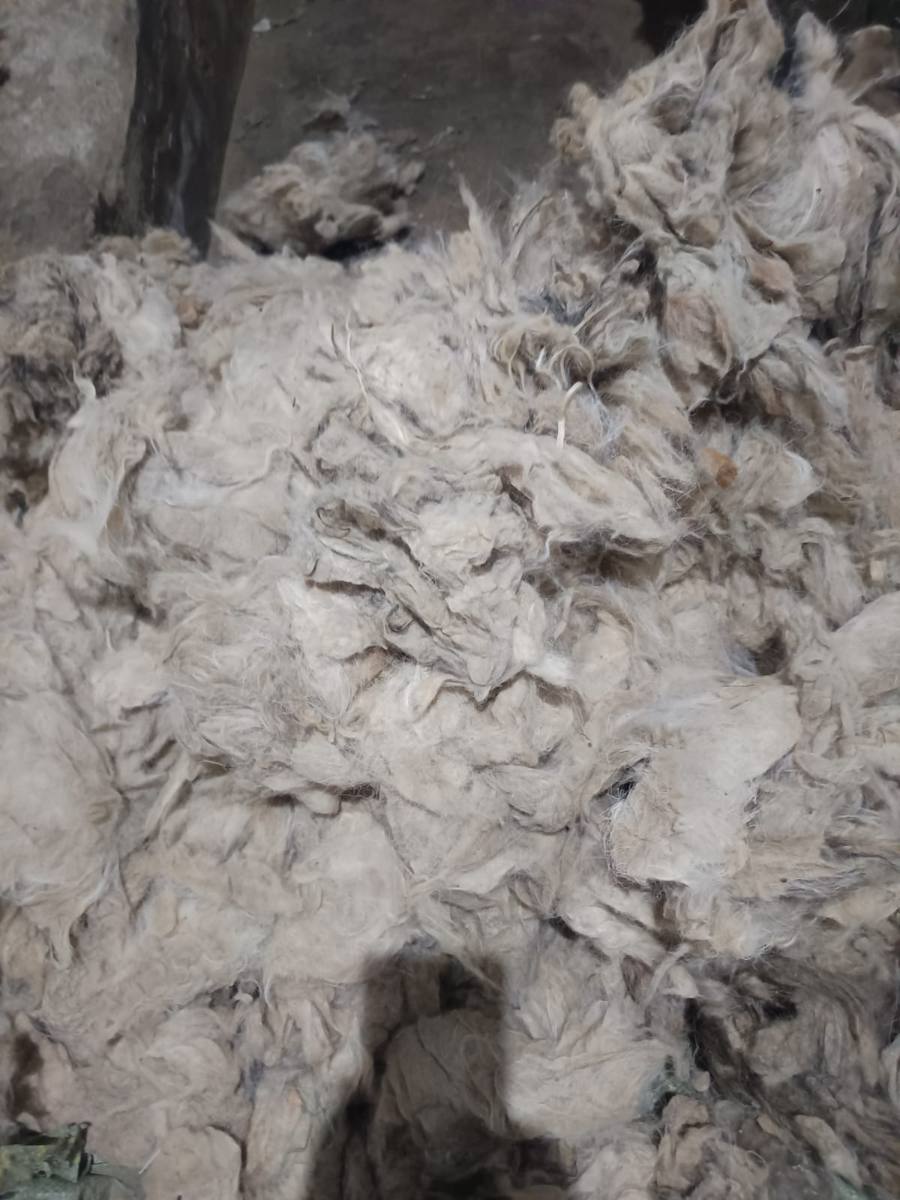
Raw fibre before cleaning and dehairing
03 · The raw material — before preparation.
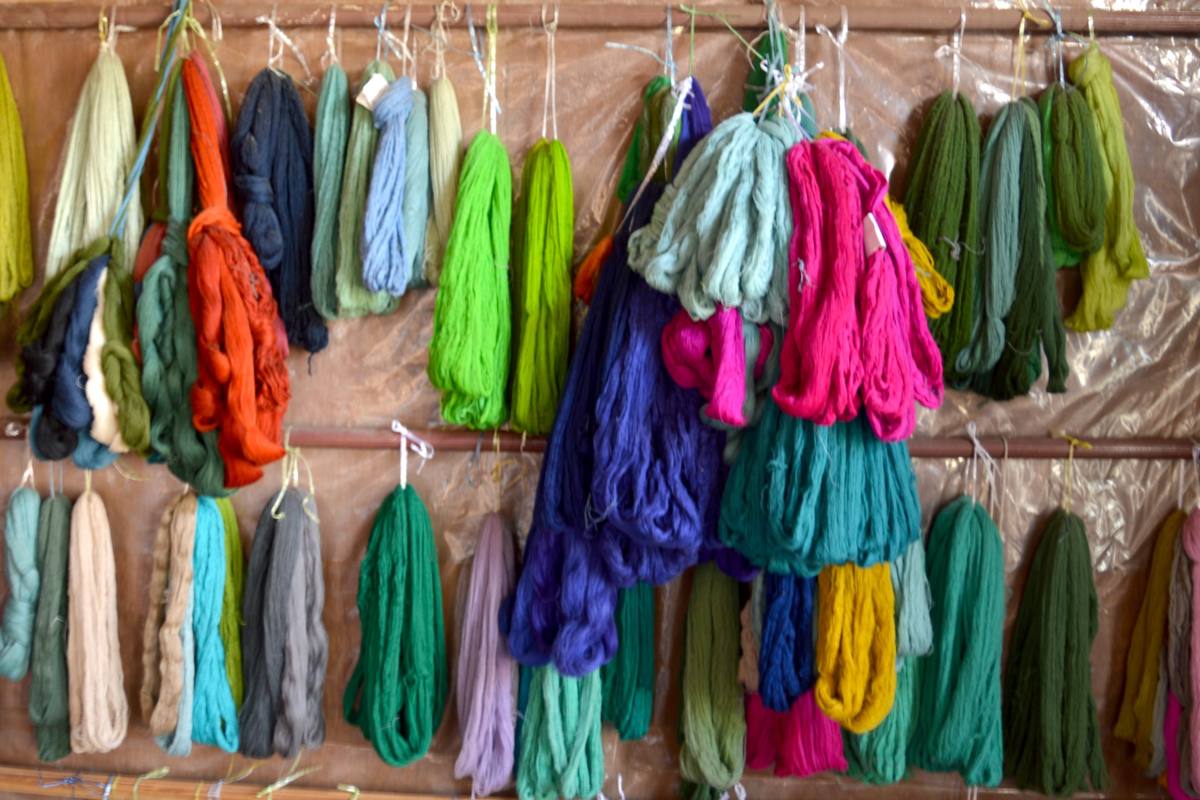
Prepared yarn in the workshop
04 · The yarn — prepared for textile making.
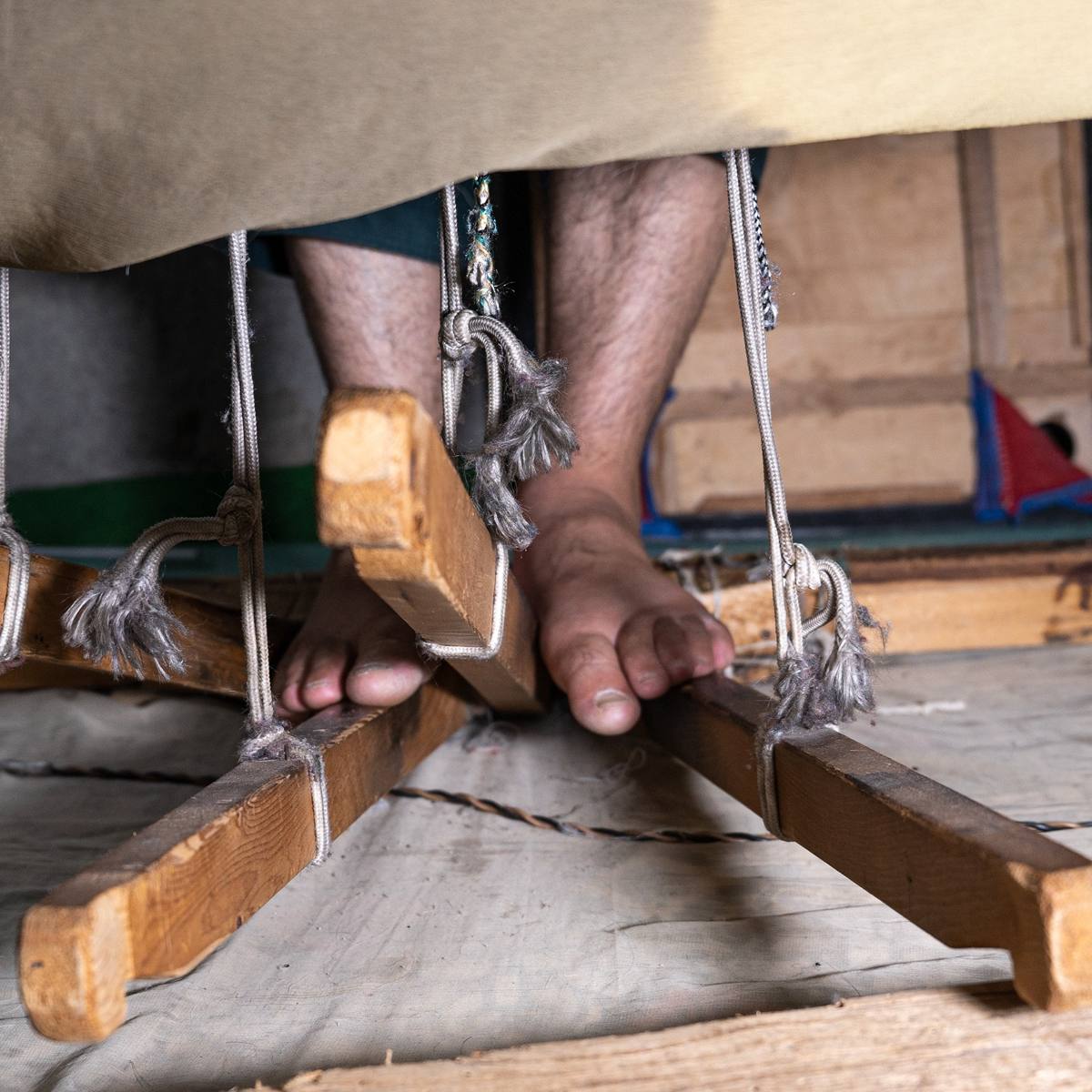
Real loom detail from the workshop
05 · The loom — structure, tension and rhythm.
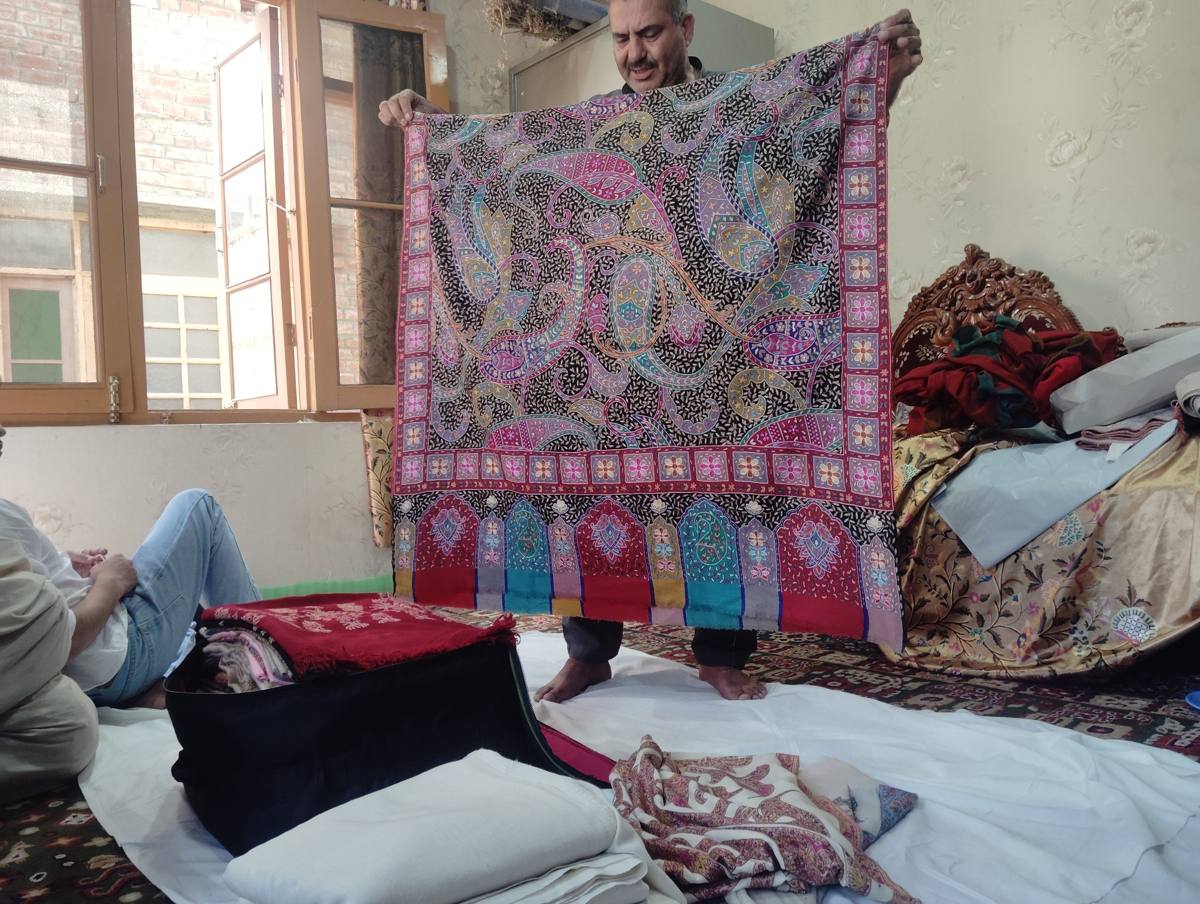
Real Sozni textile craftsmanship
06 · Sozni — fine Kashmiri hand embroidery.
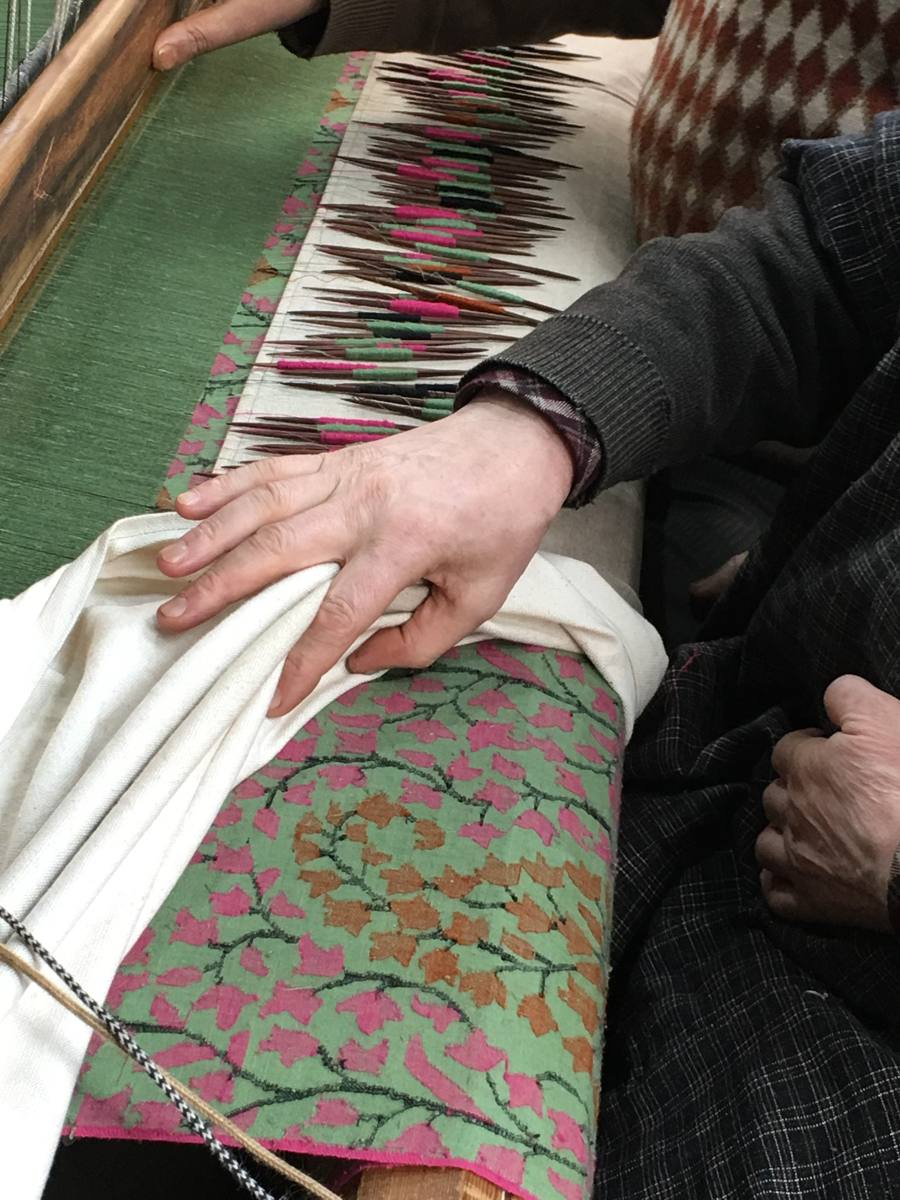
Real Kani weaving detail
07 · Kani — pattern built through weaving.

THE REAL PHOTOGRAPHS

Original images from the Civara archive.

We are replacing the old collage material with real photographs connected to the work. More original images will be added as they are uploaded.

Kashmiri weaver working at a loom
01 · The loom — weaving in practice.
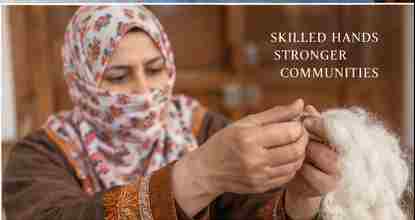
Artisan handling Pashmina fibre
02 · The hands — preparing fibre.
The archive stays whole. When a historical collage or original photograph is added, we will display it intact rather than cropping it into generic stock-style fragments.
\n\n

NEW TO PASHMINA?

Start with the Basics.

Three lessons give you a foundation before you go deeper into craft, documentation and heritage.

THE CIVARA PASHMINA KNOWLEDGE CENTRE

Learn Before
You Buy.

Use these guides to understand the material, the making, the evidence and the questions worth asking before you purchase a Pashmina textile.

01 · AUTHENTICITY

What Makes
Evidence Strong?

There is no single magic test that can tell the whole story. Fibre identity, how a textile was made, and how its description is documented are separate questions.

FIBRE

What is it made from?

Ask for the fibre composition and for supporting information where available. Softness or appearance alone does not establish composition.

METHOD

How was it made?

Hand-spun, machine-spun, handwoven and machine-made describe production methods. They should not be treated as interchangeable terms.

DOCUMENTATION

What supports the description?

Depending on the piece, useful records may include laboratory information, GI-related documentation, product records and provenance information.

HONEST LIMITS

What cannot prove everything?

Traditional informal tests can be interesting educational demonstrations, but they should not be presented as conclusive proof of fibre composition.

02 · PROVENANCE

The Story
of One Piece.

For selected textiles, Civara can build a clearer record around the individual piece as documentation becomes available.

CIVARA PROVENANCEPIECE RECORD
FIBREPashmina / Cashmere

Composition recorded as documented.

ORIGINWhere documented

Fibre or material origin information.

SPINNINGHand / Machine

Production method stated honestly.

WEAVINGHandwoven / Other

Method of weaving clearly described.

CRAFTSozni / Kani / Plain

Craft technique where applicable.

ARTISANNamed where appropriate

With the artisan's consent.

TESTINGWhere available

Laboratory or other supporting documentation.

GIWhere applicable

GI status or related documentation.

A provenance record should show what is known, what has been documented and what has not been established. It should never turn an unknown detail into a claim.

03 · VALUE

Why Does
Pashmina Cost More?

The price of a textile reflects more than the fibre alone. Time, skill, processing, craftsmanship, documentation and responsible delivery all have a place in the story.

FIBRE→PROCESSING→SPINNING→WEAVING→CRAFT→DOCUMENTATION→DELIVERY
Price should be explainable.

For higher-value pieces, a buyer should be able to understand what they are paying for: material, labour, time, craftsmanship, documentation and the practical costs of bringing the piece safely to them.

04 · BUYER'S GUIDE

Questions Worth
Asking.

Whether you are buying from Civara or somewhere else, these questions can help you understand the product description.

  1. What is the fibre composition?Ask what the textile is actually made from.
  2. How was the yarn produced?Hand-spun and machine-spun are different production methods.
  3. How was it woven?Ask whether the textile is handwoven or machine-made.
  4. What craft technique is used?Sozni, Kani, Jamawar and plain weaving describe different traditions.
  5. What documentation is available?Ask about testing, GI-related records and provenance where applicable.
  6. What are the size and weight?These are useful facts to compare products accurately.
  7. Who made it?Where appropriate and with consent, learn about the artisan or workshop.
  8. What exactly does the label mean?Read the description carefully instead of relying on one word such as “Pashmina.”

05 · CLAIMS & EVIDENCE

Look Beyond
the Label.

A product description can contain several different claims. The useful question is: which claim is being made, and what supports it?

CLAIMWHAT IT DESCRIBESWHAT TO ASK FOR
PashminaFibre/material descriptionComposition and supporting evidence
Hand-spunSpinning methodHow the yarn was produced
HandwovenWeaving methodWhere and how it was woven
SozniEmbroidery traditionDetails of the embroidery and workmanship
KaniWoven craft traditionHow the pattern was built into the textile
GIGeographical indication statusApplicable official documentation/label

06 · FOLLOW THE MATERIAL

One Journey.
Many Hands.

The same piece can pass through many stages and skills before it reaches the buyer.

01 Fibre→02 Cleaning→03 Dehairing→04 Carding→05 Spinning→06 Weaving→07 Craft→08 Finishing→09 Documentation

The exact route can vary by textile and production method. The purpose of this map is to show the different kinds of work that can contribute to a finished textile.

MORE THAN A FIBRE

Crafts of Kashmir

Pashmina became a canvas for some of Kashmir’s finest textile traditions.

Sozni embroidery detail
01

Sozni

The art of fine Kashmiri hand embroidery, built stitch by stitch with a needle and thread.

Kani weaving detail
02

Kani

A patterned weaving tradition in which designs are built into the fabric during weaving using small wooden tools.

Jamawar textile detail
03

Jamawar

A celebrated Kashmiri textile tradition associated with elaborate patterned weaving, including Kani traditions.

THE HANDS BEHIND THE STORY

The Knowledge is Human.

The fibre is natural. The knowledge is carried through people, practice and generations.

Traditional spinning
01

The Spinner

Transforming prepared fibre into yarn with patience and skill.

Traditional handloom weaving
02

The Weaver

Creating the textile on a loom, controlling structure, tension and rhythm.

Sozni embroidery
03

The Sozni Artisan

Creating delicate embroidery through precise needlework.

Kani weaving
04

The Kani Weaver

Building intricate woven patterns with careful planning and colour.

Behind every textile is a human story.

KNOW WHAT YOU ARE BUYING

Look Beyond the Label.

Ask about the fibre, the spinning, the weaving and the evidence supporting the description.

01

Fibre

What is the fibre composition?

02

Spinning

Is the yarn hand-spun or machine-spun?

03

Weaving

Is the textile handwoven or machine-made?

04

Documentation

What evidence, testing or records support the description?

There is no single magic test for Pashmina. Touch, softness and informal traditional tests such as ring or burn tests cannot by themselves establish fibre composition. Laboratory testing and appropriate documentation provide stronger evidence.

THE PASHMINA DICTIONARY

Understand the Words.
Understand the Story.

A living vocabulary shaped by fibre, place, people, craft and tradition.

PROTECTED CRAFTS OF KASHMIR

GI & Heritage

Geographical Indication recognition connects products with geographical origin, defined characteristics and traditional knowledge.

GI No. 46

Kashmir Pashmina

A registered geographical indication associated with Kashmir Pashmina.

GI No. 48

Kashmir Sozani Craft

A registered geographical indication associated with the traditional craft.

GI No. 51

Kani Shawl

A registered geographical indication associated with the Kani shawl tradition.

GI numbers shown here should be understood in the context of the official Indian GI registry and its specifications.

REAL PRODUCT EVIDENCE

Verification Records from Our Archive

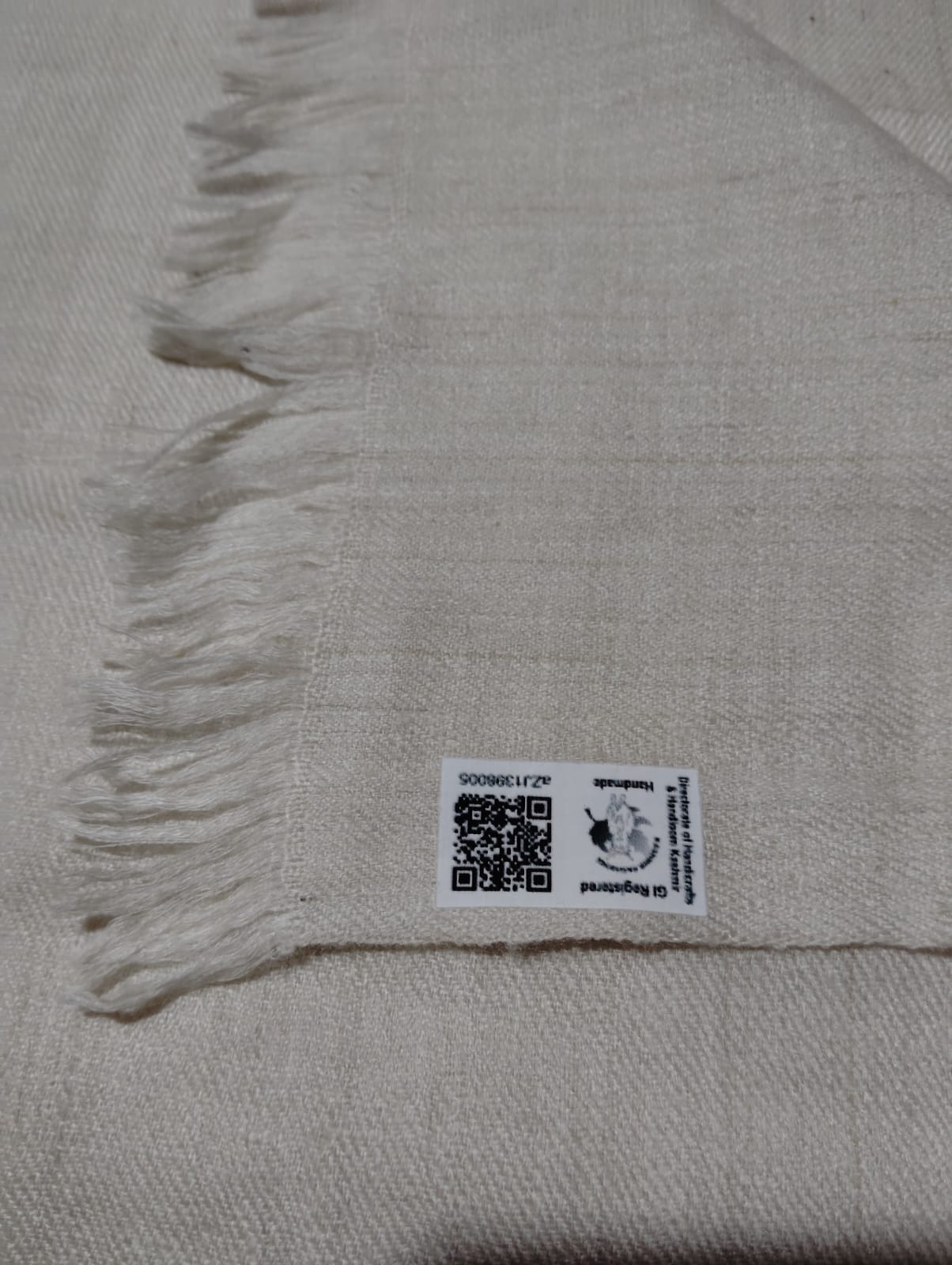
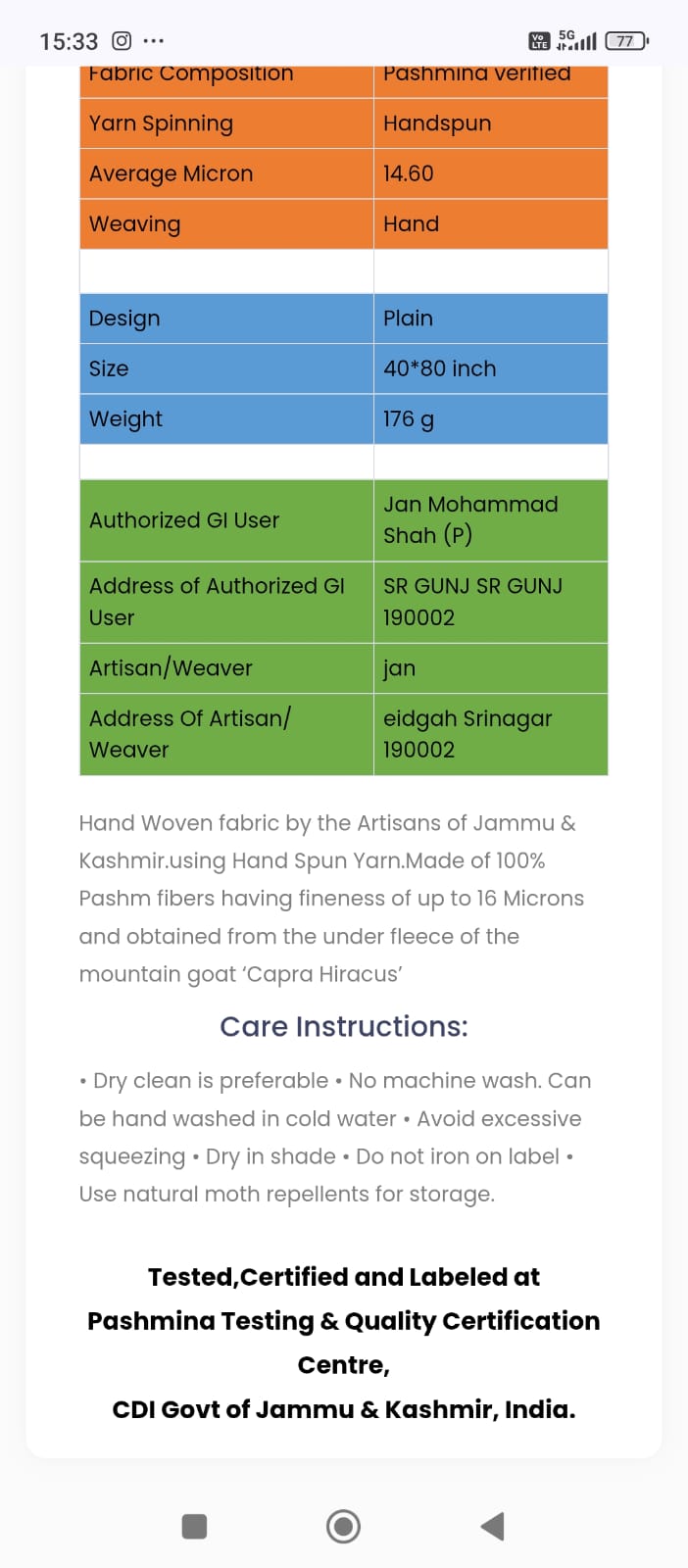
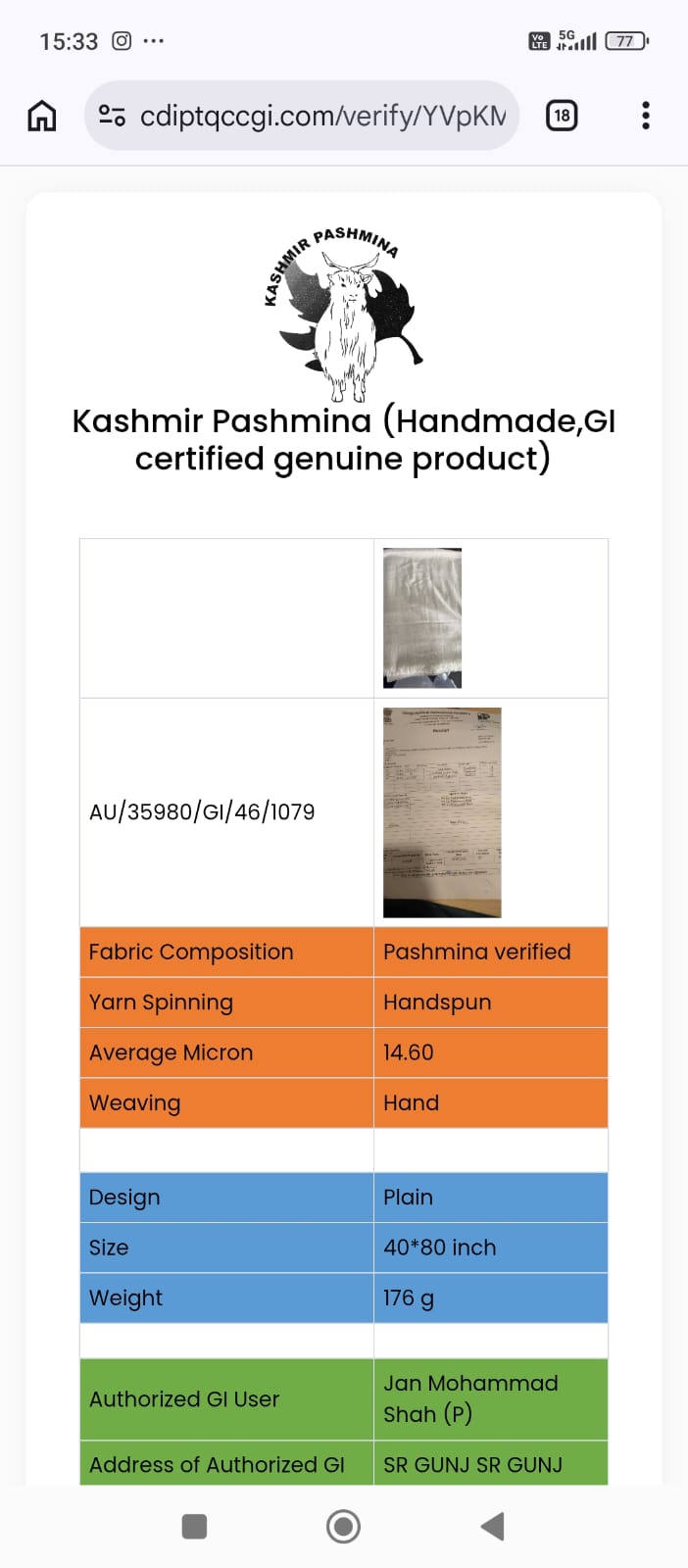
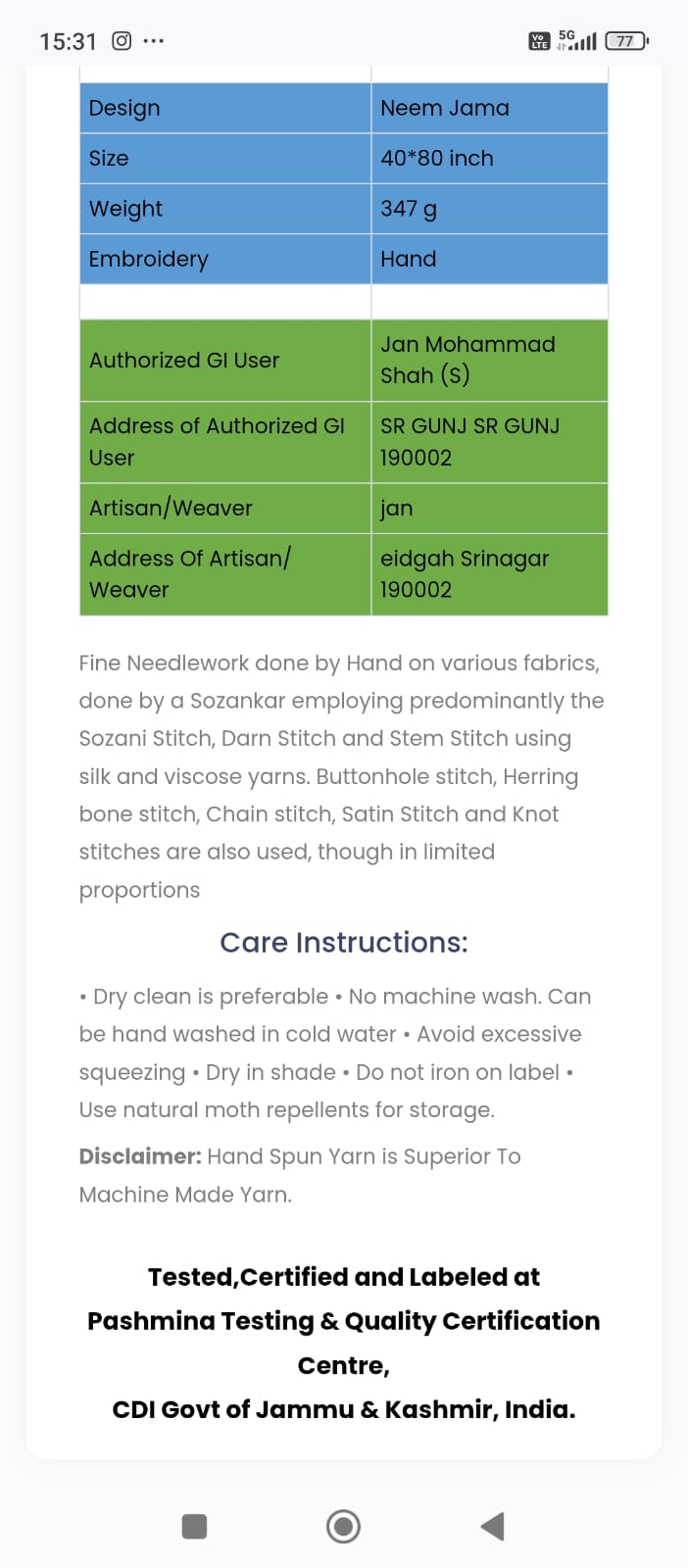
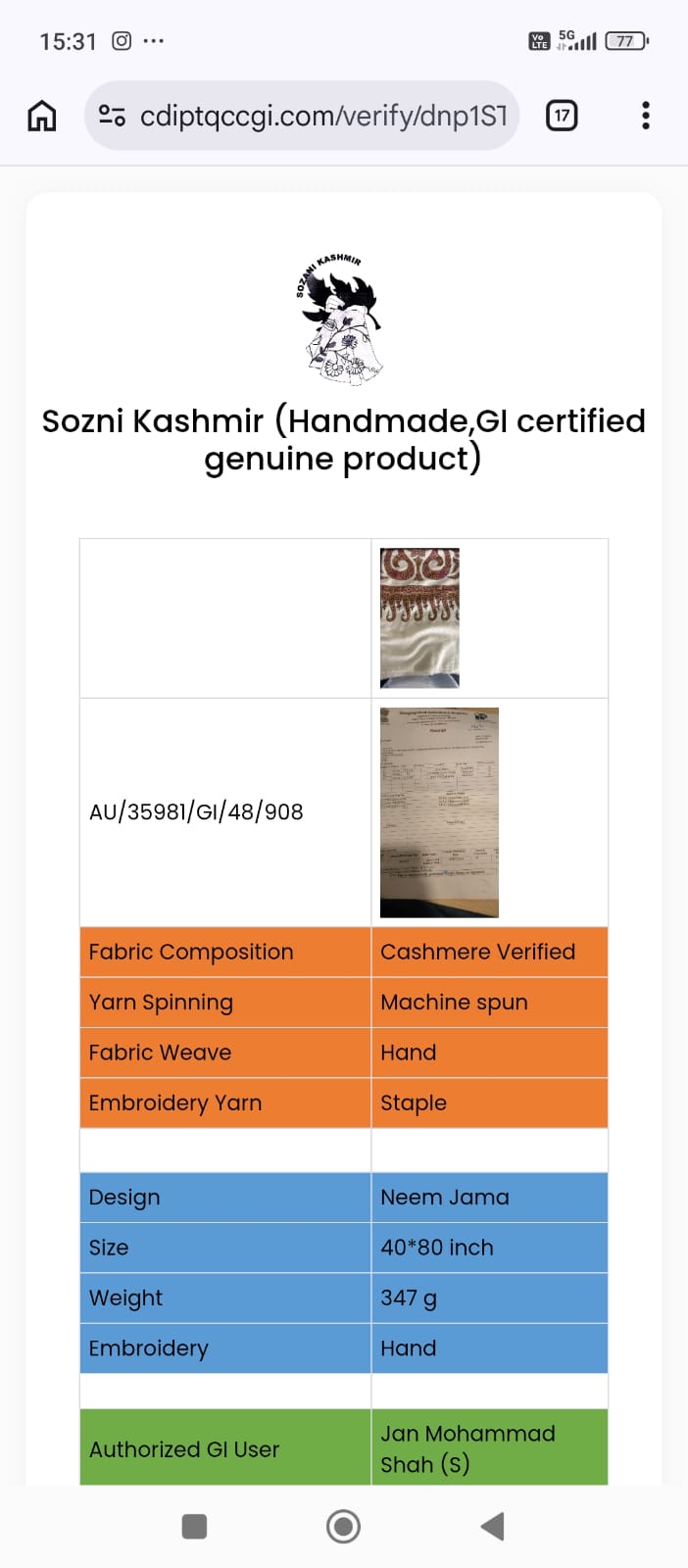
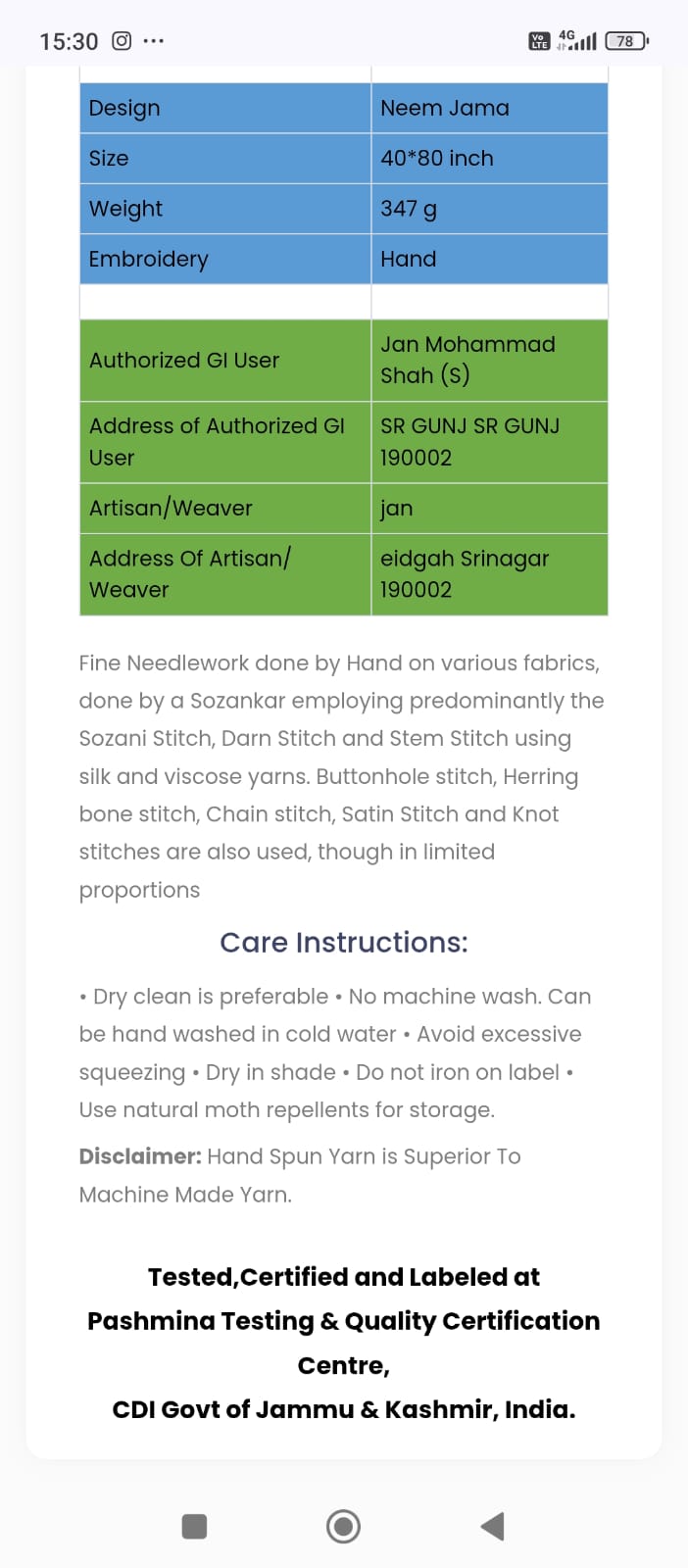
These records show the kind of product-level evidence a buyer can examine: the textile, its verification record, fibre and production details, and the associated GI information.

Pashmina textile with GI verification label and QR code
Kashmir PashminaProduct with GI verification label and QR code.
Kashmir Pashmina GI verification record showing product details
Pashmina verification recordProduct-level fibre, spinning, weaving and GI-user information.
Kashmir Pashmina verification record
Verified product recordMaterial and production information connected to the piece.
Sozni Kashmir GI verification record
Sozni KashmirGI verification record for a hand-embroidered product.
Sozni Kashmir product and GI evidence
Sozni product evidenceProduct, artisan and GI-user information in the verification record.
Sozni Kashmir verification details
Craft documentationAdditional record details preserved in the archive.
Evidence should stay connected to the actual piece.A QR code or online record is useful when it leads to a verifiable product record. The record should be read together with the physical textile and its documented characteristics.

SEE THE WHOLE JOURNEY

From Fibre to Finished Textile.

The material changes form many times before it becomes a finished piece.

Traditional Kashmiri weaving on a handloom
FIBREYARNWEAVINGFINISHINGTEXTILE

PEOPLE, COMMUNITIES & TRADITION

A Craft Lives
Through People.

Skills survive when people can learn them, practise them and earn a dignified living from them.

Kashmiri artisan working at a traditional loom

The knowledge of Pashmina lives in human hands.

A LIVING HERITAGE

Our Shared Responsibility

Pashmina is more than a product. It is a living heritage — a story of nature, people, skills and traditions that continues to evolve.

Goat and mountain landscape from the Civara visual archive
LearnSupportRespectPreserveShare

THE WORKSHOP BEHIND THE STORY

From Kashmir,
with Care.

Education is part of how we share the story of the work we do at Civara Workshop — with respect for the fibre, the craft and the people behind every textile.

Civara Workshop office in Kashmir
Civara Workshop — Kashmir.

CIVARA WORKSHOP

The education journey will grow with our real photographic archive.

As we document more of our workshop, weavers, fibres, looms and artisans, these pages will gradually become a richer visual record of the living craft tradition we work with.